Ultimate Estate Cleanout Checklist for Managing a Property
Managing the dissolution of an estate is more than just a logistical challenge; it is an emotional journey that requires patience, organization, and a clear strategy. Whether you are an executor, a family member, or a property manager, the sheer volume of belongings accumulated over a lifetime can be overwhelming. This is where a comprehensive estate cleanout checklist for managing a property becomes an indispensable tool. At A & B Junk Removal, we have assisted countless families through these transitions, and we understand that every item has a story, even those destined for the dumpster.
According to industry data, the average American home contains over 300,000 items. When these items must be sorted, valued, and removed within a specific timeframe—often dictated by real estate listings or legal probate requirements—the pressure can lead to burnout or costly mistakes. By following a structured estate cleanout checklist for managing a property, you can navigate this process with efficiency and respect, ensuring that valuables are preserved, sentiment is honored, and the property is cleared for its next chapter.
Phase 1: Legal and Financial Preparation
Before any physical lifting begins, you must ensure you have the legal right to move or dispose of property. Skipping this step can lead to legal disputes among heirs or complications with the probate court.
Locating Essential Documentation
The first item on your estate cleanout checklist for managing a property should be the location of the following documents:
- The Last Will and Testament: This dictates how assets should be distributed.
- Trust Documents: If the property is held in a trust, the trustee has specific obligations.
- Insurance Policies: Ensure the property remains insured during the cleanout process.
- Financial Statements: Bank accounts, stocks, and retirement funds.
- Utility Bills: You will need to keep utilities running until the property is sold or transferred.
- Real Estate Deeds: Proof of ownership is vital for the eventual sale.
Securing the Property
An empty home can be a target for theft or environmental damage. Change the locks if necessary, and ensure that security systems are functional. If you are not local, consider hiring a property management firm or asking a trusted neighbor to keep an eye on the premises. At A & B Junk Removal, we often coordinate with remote executors to ensure the heavy lifting happens while they are in town, maximizing their time on-site.
Phase 2: The Comprehensive Sorting Strategy
Once legalities are settled, it is time to face the physical inventory. We recommend the "Four-Pile Method" to keep the process moving efficiently. This is a core component of any effective estate cleanout checklist for managing a property.
| Category | Description | Action Required |
|---|---|---|
| Keep / Inherit | Items specifically mentioned in the will or high-sentimental value items. | Move to a secure location or label clearly for movers. |
| Sell | High-value antiques, modern furniture, or collectibles. | Contact an appraiser or estate sale company. |
| Donate | Gently used clothing, books, and household goods. | Schedule pick-ups from local charities. |
| Discard | Broken items, stained textiles, and general debris. | Rent a dumpster or hire A & B Junk Removal for full-service hauling. |
The 3-Second Rule for Sentimental Items
One of the biggest hurdles in managing a property cleanout is emotional attachment. To stay on track with your estate cleanout checklist for managing a property, try the 3-second rule. If an item doesn't immediately spark a positive memory or serve a clear purpose, it belongs in the donate or discard pile. Remember, you are preserving the legacy, not every single physical object.
Phase 3: Deep Cleaning and Inventory Search
It is common for valuables to be hidden in unlikely places. Before the junk removal crew arrives, perform a thorough sweep of the following often-overlooked areas:
- Inside pockets of clothing in closets.
- Behind drawers or taped to the bottom of furniture.
- Inside books—people often use cash as bookmarks.
- Attics and crawlspaces that haven't been opened in years.
- Freezers and pantry containers (yes, people hide jewelry in the freezer!).
Once you have cleared out the valuables and the items meant for keep, you are left with the bulk of the estate. This is where the logistics of junk removal come into play.
Phase 4: Choosing Your Disposal Method
Depending on the size of the property and your budget, you have two primary options for the heavy lifting: Full-service junk removal or dumpster rental. Both are essential tools for an estate cleanout checklist for managing a property.
Pros and Cons: Full-Service Junk Removal vs. Dumpster Rental
Full-Service Junk Removal
Pros: Labor is included. Professionals do the heavy lifting from wherever the items are located (basement, attic, etc.). This is the fastest way to clear a house—often in a single day.
Cons: Generally more expensive than a DIY dumpster rental because you are paying for labor and expertise.
Dumpster Rental
Pros: More cost-effective. You can work at your own pace over several days or weeks. Ideal if you are still sorting through items as you go.
Cons: Requires you to do all the physical labor. You must have space on the driveway for the bin.
[Internal Link Placeholder: View our Dumpster Rental Sizes]
Step-by-Step Estate Cleanout Checklist for Managing a Property
Follow these steps to ensure nothing is missed during the final stages of the property management process:
1. Categorize Large Furniture
Determine which pieces of furniture are worth selling and which are destined for disposal. Large, heavy armoires or outdated mattresses are often the hardest to move. A & B Junk Removal specializes in heavy furniture removal, ensuring no damage is done to the walls or floors during the process.
2. Manage Hazardous Waste
Standard junk removal services and dumpsters cannot accept certain items. You must handle these separately:
- Old paint and solvents
- Pesticides and lawn chemicals
- Used motor oil or gasoline
- Medical waste or expired medications
Check with your local municipality for hazardous waste drop-off days to include this in your estate cleanout checklist for managing a property.
3. Clear the Exterior
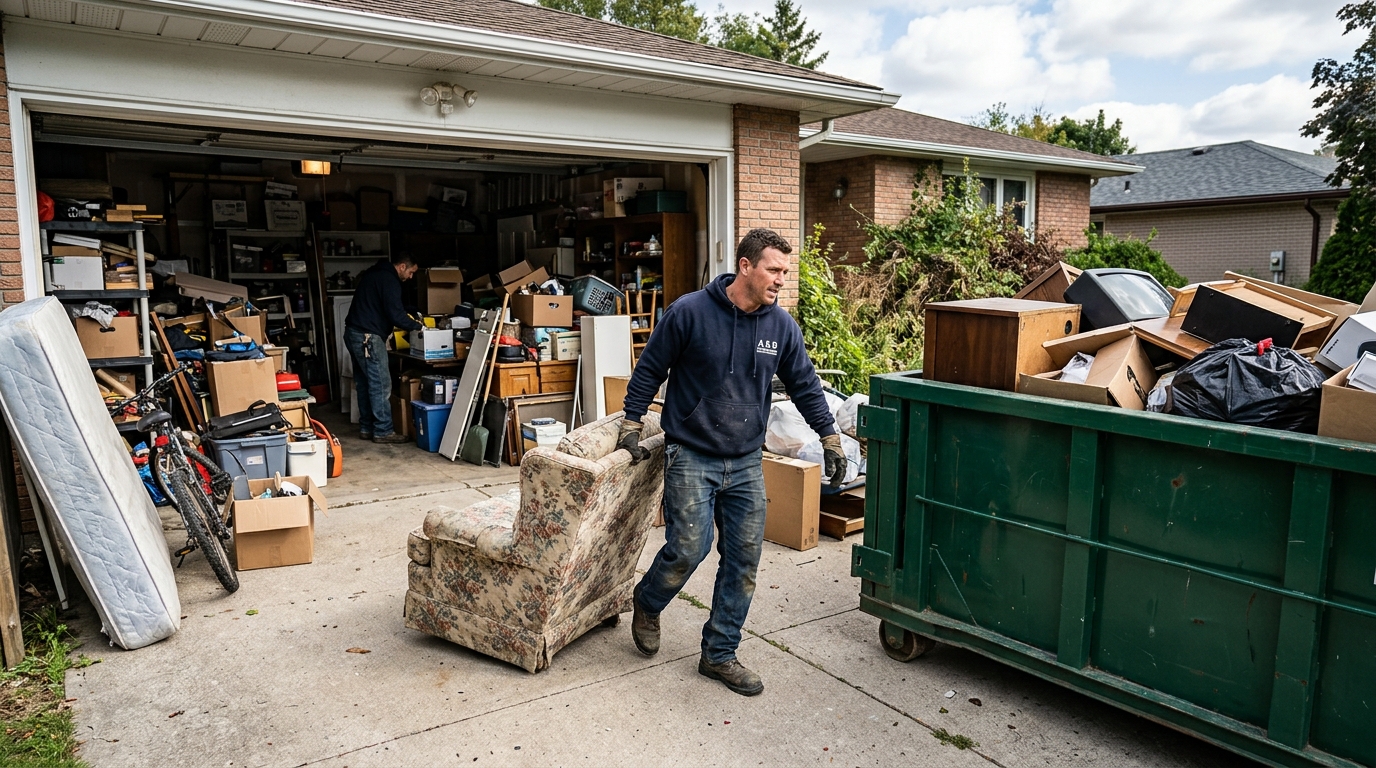
Don't forget the shed, garage, and yard. Old lawnmowers, scrap metal, and rotted firewood can detract from the property's curb appeal and value. Clearing the exterior is just as important as the interior for property management.
4. Final "White Glove" Sweep
Once the junk has been hauled away, the property needs a deep clean. This includes steaming carpets, cleaning windows, and wiping down baseboards. This makes the property ready for immediate listing or transfer.
Why Authority Matters in Estate Cleanouts
Choosing a company like A & B Junk Removal means you are working with a local partner who understands the nuances of estate management. We don't just dump everything in a landfill. Our process involves sorting through the loads to find items that can be recycled or donated to local charities. This sustainable approach is a key part of a modern estate cleanout checklist for managing a property, as it reduces the environmental footprint of the transition.
Case Study: A 40-Year Family Home Cleanout
We recently assisted a client who was managing a property that hadn't been cleared in four decades. By utilizing our 20-yard dumpster rental for the initial sorting phase and then transitioning to our full-service team for the heavy appliances and attic clearing, the client was able to list the home on the market two weeks ahead of schedule. This efficiency saved the estate thousands of dollars in carrying costs (taxes, utilities, and insurance).
Frequently Asked Questions
How long does a typical estate cleanout take?
The timeline varies based on the property size. A standard 3-bedroom home usually takes 3 to 5 days for sorting and 1 to 2 days for the physical hauling. However, if you use a professional estate cleanout checklist for managing a property, you can significantly streamline this timeline.
What should I do with old documents that contain sensitive information?
Never throw financial or medical documents in the trash or a rental dumpster. We recommend professional shredding services or using a high-quality home shredder before disposing of the paper waste. This protects the estate from identity theft.
Can I donate items during a junk removal service?
Yes. When you hire A & B Junk Removal, we make every effort to divert usable items from the landfill. If we find furniture or household goods in donation-ready condition, we prioritize getting them to local organizations that can put them to good use.
Is a dumpster rental or full-service removal better for estates?
If you have the time and physical ability to load the items, a dumpster rental is more budget-friendly. If you are on a tight deadline or have heavy items like pianos or old appliances, full-service removal is the superior choice for managing a property effectively.
Conclusion: Taking the Next Step
Managing a property transition is a significant undertaking, but you don't have to do it alone. By using this estate cleanout checklist for managing a property, you can approach the task with a clear mind and a proven plan. From the initial legal preparation to the final sweep of the garage, every step you take brings you closer to a successful resolution.
At A & B Junk Removal, we pride ourselves on being more than just a hauling company; we are your partners in property management. Whether you need a roll-off dumpster to handle a DIY sort or a professional crew to clear out decades of clutter in a single afternoon, we have the expertise and the equipment to get the job done right.
Ready to clear the way for what's next? Contact A & B Junk Removal today for a free estimate on your estate cleanout project. Let us handle the heavy lifting while you focus on what matters most.
[Link to Contact Page: Schedule Your Estate Cleanout Consultation Today]